In recent years, a new approach to teaching and learning has gained popularity in educational settings known as “CBL Flipped Learning.” This method requires students to understand lesson content before entering the classroom, with video lessons playing a crucial role in providing a preview of the material. This approach is designed to promote collaborative learning by enhancing critical thinking skills, fostering teamwork, and cultivating independent study abilities.

Students make a presentation video about the Dimensions and proportions in mathematics
Historically, the concept of flipped learning can be traced back to the early 2000s when pioneers like Jon Bergmann and Aaron Sams, two high school science teachers, began recording their lectures to provide students with the opportunity to review the material outside of class. Their innovative approach soon gained traction, with educators recognizing the potential benefits of a flipped classroom model.

The impact of CBL flipped learning on students has been significant, with video lessons serving as a valuable tool for enhancing critical thinking skills. By engaging with the material before coming to class, students are forced to think more deeply about the content and formulate questions that they can bring to discussions. This approach not only strengthens their understanding of the material but also encourages active participation in class activities.
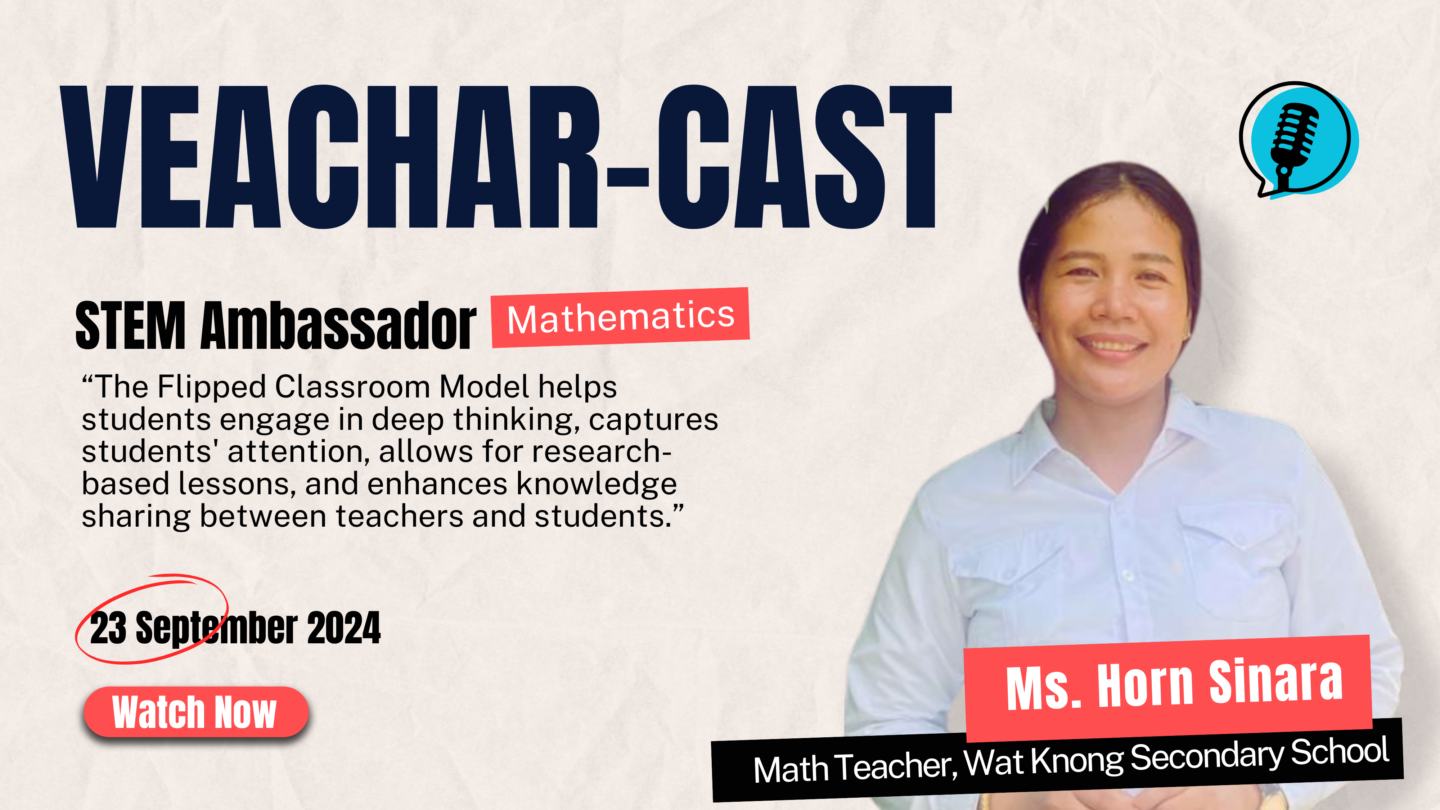
Click to see the full interview video: https://youtu.be/r8mG5-rasoE
Furthermore, video lessons in a CBL flipped learning environment promote teamwork by fostering collaboration among students. Watching videos together allows students to discuss the content, ask questions, and work together to solve problems. This collaborative approach not only enhances their learning experience but also helps them develop important teamwork skills that are essential in the real world.
Moreover, video lessons are crucial in cultivating independent study abilities among students. By requiring students to engage with the material independently outside of class, CBL flipped learning encourages self-directed learning and helps students develop the skills they need to succeed academically. This approach empowers students to take control of their learning and become active participants in the learning process.
Looking ahead, the future of CBL flipped learning looks promising, with continued advancements in technology making it easier for teachers to create engaging video lessons. Additionally, as more research is conducted on the impact of flipped learning on student outcomes, educators will have a better understanding of how to effectively implement this approach in the classroom.
In conclusion, CBL flipped learning represents a significant shift in the way education is delivered, requiring students to understand lesson content before entering the classroom. Video lessons serve as a valuable tool for providing a sneak peek of the material and promoting collaborative learning by enhancing critical thinking skills, fostering teamwork, and cultivating independent study abilities. While this approach has its challenges, the potential benefits for students are undeniable, making CBL flipped learning a promising method for improving student outcomes in the future.