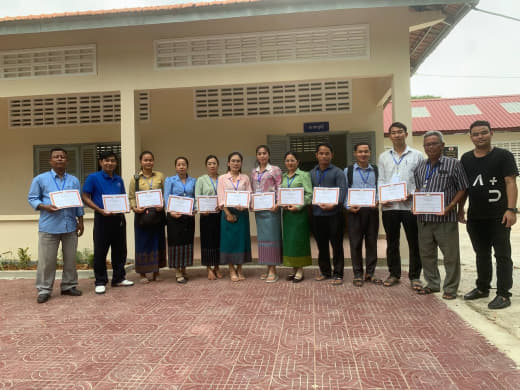
Participants in a professional development training course for teachers on STEM education at Hun Sen Chheuteal High School, Takeo Province.
[English Below]
In the tranquil landscapes of rural areas, where the chirping of birds and rustling of leaves accompany the daily routine, lies an often overlooked group of heroes: countryside teachers. These dedicated individuals play a pivotal role in shaping the minds of tomorrow, often facing unique challenges due to their remote locations. However, their commitment to education remains unwavering. To further empower these educators and enhance the quality of education in rural communities, it is imperative to establish and support continuing professional development (CPD) programs tailored to their needs.
Challenges Faced by Rural Educators:
Rural educators encounter a myriad of challenges that stem from their geographical isolation and limited access to resources. These challenges include:
1. Limited Access to Training Opportunities: Due to their remote locations, countryside teachers often have limited access to training programs and workshops, hindering their professional growth.
2. Resource Constraints: Rural schools may lack adequate resources such as updated teaching materials, technology infrastructure, and laboratory facilities, making it challenging for educators to deliver high-quality STEM education.
3. Isolation and Support Networks: Rural educators may feel isolated from their peers and lack opportunities for collaboration and peer learning, leading to professional stagnation.
4. Socioeconomic Factors: Socioeconomic disparities prevalent in rural areas can impact the quality of education, with educators facing additional pressure to cater to diverse student needs with limited resources.
The Importance of CPD for Rural Educators:
Continuing professional development programs tailored to the needs of rural educators can address these challenges and empower them to overcome barriers to quality education. The benefits of CPD for countryside teachers include:
1. Enhanced Teaching Skills: CPD programs provide rural educators with opportunities to acquire new teaching methodologies, pedagogical techniques, and subject knowledge, enabling them to deliver more effective STEM education.
2. Access to Resources and Technology: CPD initiatives can bridge the resource gap by providing rural educators with access to teaching materials, educational technology, and online resources, enriching their teaching practices.
3. Professional Networking and Support: CPD programs facilitate networking opportunities, allowing rural educators to connect with peers, mentors, and experts in their field, fostering a sense of community and collaboration.
4. Improved Student Outcomes: Empowered educators equipped with enhanced skills and resources can positively impact student learning outcomes, narrowing the achievement gap and promoting academic success in rural communities.
The Role of CPD Training Programs:
CPD training programs designed specifically for rural educators should be comprehensive, accessible, and responsive to their unique needs. Key components of effective CPD programs include:
1. Tailored Content: CPD programs should offer content relevant to the challenges and priorities of rural educators, including strategies for integrating STEM education, classroom management techniques, and innovative teaching approaches.
2. Flexible Delivery Methods: Recognizing the logistical challenges faced by rural educators, CPD programs should utilize flexible delivery methods such as online courses, virtual workshops, and mobile learning platforms to ensure accessibility.
3. Local Partnerships and Collaboration: Collaboration with local schools, educational institutions, community organizations, and government agencies can enhance the effectiveness and sustainability of CPD initiatives, leveraging local expertise and resources.
4. Ongoing Support and Mentoring: CPD programs should provide ongoing support and mentoring to rural educators, offering guidance, feedback, and resources to facilitate their professional growth and development.
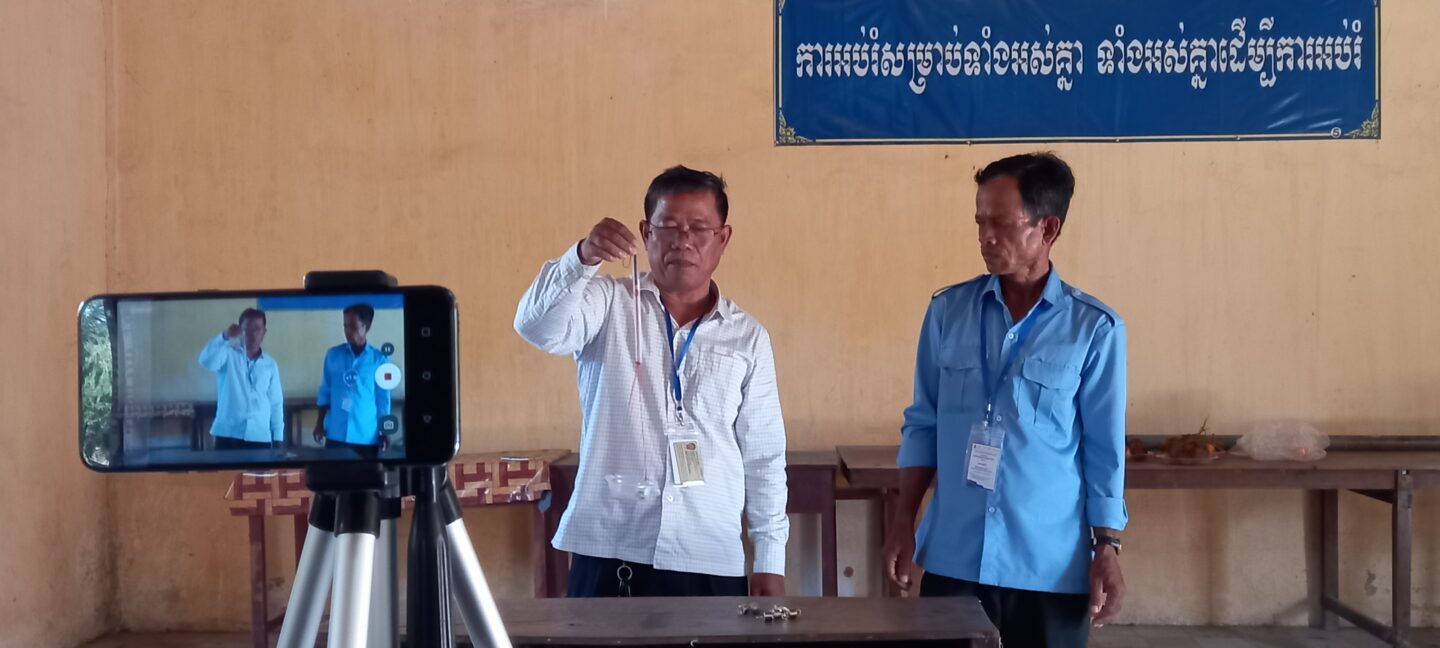
Video Creating 8th Grade Physics Experiment Ideas at Sok An 1 Usaphea, Tram Kak District, Takeo Province, by Teachers
5. Evaluation and Feedback Mechanisms: Regular evaluation and feedback mechanisms should be incorporated into CPD programs to assess their impact on educator competencies and student outcomes, allowing for continuous improvement and refinement.
In conclusion, continuing professional development programs play a crucial role in empowering rural educators and enhancing the quality of STEM education in countryside communities. By addressing the unique challenges faced by rural educators and providing tailored training opportunities, CPD programs can equip them with the skills, resources, and support needed to thrive in their profession and make a meaningful difference in the lives of their students. Investing in the professional development of countryside teachers is not only an investment in their future but also in the future of rural education and the communities they serve